
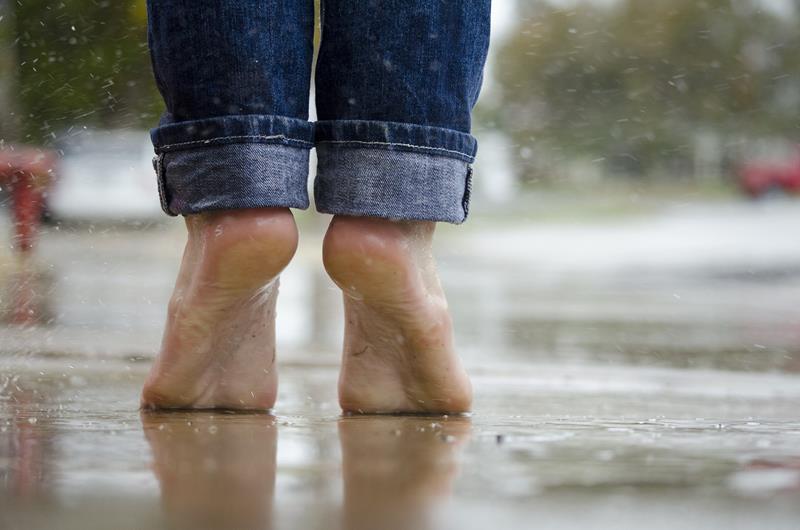
Foot and leg swelling can be uncomfortable causing our legs and feet to feel tired and heavy towards the end of the day. Chronic swelling is an indication of poor circulation and can be treated. Check in with your Georgia foot specialist for an evaluation and vascular testing.
Foot or leg swelling can be caused by a number of issues including congestive heart failure, high blood pressure, low protein in your blood and vascular/circulatory problems. Our best podiatrist will work with your medical doctor and other specialist to make sure the problem is managed from head to toe.
Swollen feet should always be evaluated with a thorough consultation and examination by your podiatrist for an accurate diagnosis and treatment plan to exclude any underlying serious condition.
Request an AppointmentThe Causes of Swollen Feet
Swelling in your feet also is called edema. Typically, your foot doctor examines your feet to see if the swelling will form a dent in the skin when pressed against or if tissue remains full. This will indicate whether the swelling is from venous or lymphatic congestion.
While a visit to a leading podiatrist always is in order, it is especially vital that you seek professional guidance from a Georgia foot doctor if you experience:
– Open sores that could indicate an infection
– Swelling in just one foot that might mean you’ve developed a deep vein thrombosis or blood clot
– Diabetes, because any changes in the condition of your feet is cause for concern when you have the blood sugar disorder
– Changes that happen overnight or that come on rapidly
– No relief from at-home care
– Difficulty sleeping lying down, which may indicate a range of health issues
All symptoms should always be evaluated with a thorough consultation and examination by your podiatrist for an accurate diagnosis and treatment plan to exclude any underlying serious condition.
Other Possible Causes
According to our podiatrist, a number of other lifestyle and disease-related conditions can lead to swollen feet. Only by determining the cause can you receive the appropriate treatment. Other causes of the edema may include:
– Obesity: When you’re significantly overweight, you may have a tendency to be more sedentary, which impacts your blood flow, especially to your extremities. Obesity also may signal diabetes.
– Inactivity: The less you move around, the more chances you have of developing poor circulation. Additionally, sitting all day restricts the back of your legs. You must use your calf muscles regularly because they are the means by which your blood gets pumped to your feet.
– Hormonal changes: Swollen feet during pregnancy is inevitable and your OB/GYN usually can work in concert with your foot doctor in Georgia to help you find relief. Hormonal changes in younger women who go through monthly cycles also is a common cause of foot swelling during that time.
– Too much salt: Salt causes your body to retain fluid. If you’ve been adding a lot of salt to your food or eating foods high in sodium — such as processed food, canned food and condiments like ketchup — you may see the results show up in your feet.
– Inappropriate foot wear: Wearing shoes that are too tight can lead to a host of foot disorders, including swelling in your feet.
– Certain medications: While some medications can lead directly to fluid retention, sudden changes in your medication also may precipitate an attack of foot edema. Ask a podiatry doctor which medications may be culprits.
– Sit-down job: When you sit at a desk for eight or more hours every day, the pressure on the back of your legs can lead to swelling in your feet.
– Lymphedema: A build-up of fluid in your extremities, lymphedema typically occurs following damage to or removal of your lymph nodes. Primary lymphedema is a birth defect; secondary lymphedema can develop after you have surgery, an infection, cancer treatment or trauma.
Diagnosis Detectives
A podiatrist or foot specialist gives you an extensive examination that includes a thorough history of your family health issues, as well as extensive questions about the swelling. Whenever possible, keep a journal of your symptoms before you visit your foot doctor so you can answer questions about when your swelling started, how long it lasts, what triggers it and what relief you’ve found through home care.
Additionally, our excellent Georgia podiatry specialists asks you a series of questions to determine if you:
– Have diabetes
– Received an arthritis diagnosis
– Experience kidney, liver, heart or thyroid problems
– Feel pain associated with the swelling
– Get relief at certain times of the day
Your Georgia Podiatry doctor examines you physically to gauge how far up your leg the edema goes. It’s also important to know whether your toes are affected or if the swelling just stays around your ankles and the tops of your feet.
All symptoms should always be evaluated with a thorough consultation and examination by your podiatrist for an accurate diagnosis and treatment plan to exclude any underlying serious condition.
Treatment
Once a diagnosis has been reached, identifying the specific cause of your edema, a podiatrist may urge you to see a physical therapist to develop an exercise regimen designed to improve circulation. In addition to lifestyle changes, other suggestions may include:
– Diuretics: Water pills that can flush excess fluid out of your body.
– Compression stockings: These are often your best chance at finding relief because they provide counter pressure to push the fluid through your legs.
– Decongestive therapy: This is a procedure that includes massage, compression socks and exercise.
You and your podiatry doctor in Georgia will speak about how foot swelling is affecting your lifestyle. Sometimes compression stockings can be difficult to get on but our foot doctor has special methods they can teach you to ease this practice. Even if you can’t follow treatment protocols, you should maintain regular visits to a podiatrist to monitor your foot swelling to make sure it doesn’t evolve into a worse condition such as ulcers or infection.
Self-Care and Prevention
In addition to wearing compression socks every day, take other steps to reduce minor swelling in your feet and prevent it from happening all together:
– Elevate your feet when you sleep
– Lose weight
– Exercise regularly — some yoga poses are especially good for your feet
– Take magnesium supplements after consulting with your Georgia foot doctor
– Soak your feet in Epsom salts for 15 to 20 minutes a day
– Limit your sodium intake
– Drink eight fluid ounces of water a day
– Get up and walk around during long flights